Leh-Ladakh Itinerary — Pangong, Nubra & High Passes in 7 Days
Leh-Ladakh is India's high-altitude adventure crown — a cold desert of turquoise lakes, ochre mountains, Buddhist monasteries and some of the world's highest motorable passes. A classic seven-day trip starts in Leh, eases you into the altitude, then loops out to the Nubra Valley over Khardung La and to the famous Pangong Lake. It is breathtaking in every sense. Budget roughly ₹25,000-₹50,000 per person depending on whether you fly in and how you split a shared SUV.
Ladakh sits at 3,500 metres and climbs higher, so acclimatisation is non-negotiable — the single most important factor in enjoying the trip. Most visitors fly into Leh and rest a full day before moving. The two overland routes, the Srinagar-Leh and the Manali-Leh highways, are stunning but only open roughly May to October. Inner Line Permits are required for Nubra, Pangong and other border areas.
Opens the free Budget Planner — tell us your budget and dates and we'll build the whole trip.
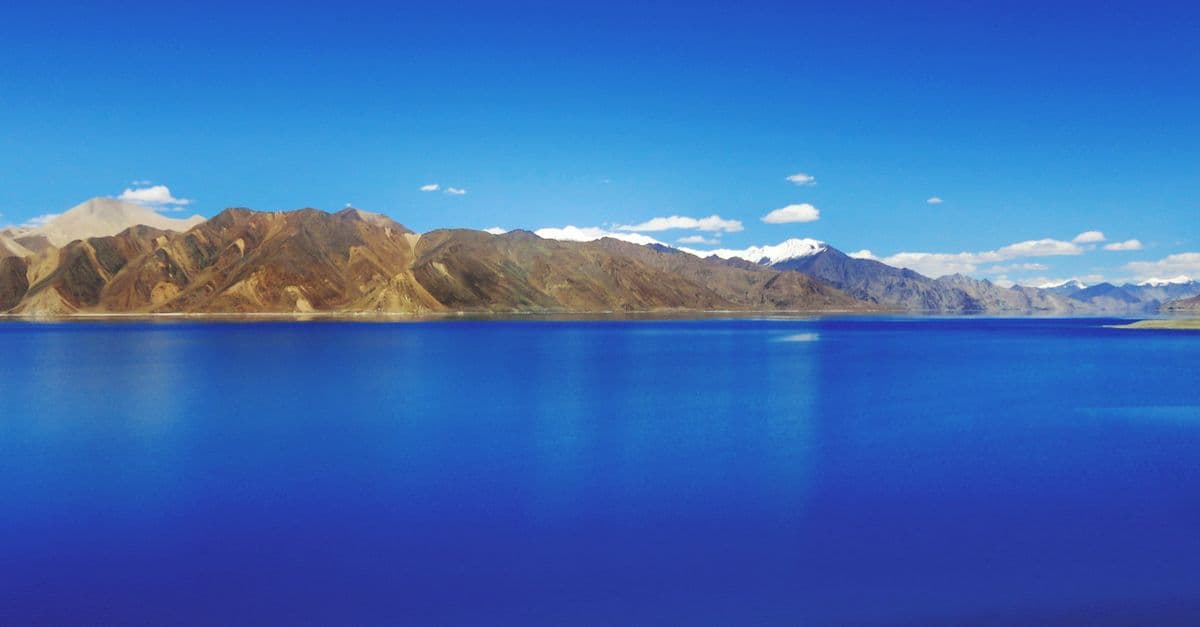
Your day-by-day Ladakh plan
Arrive Leh — rest and acclimatise
Day 1Fly into Leh and do almost nothing on day one — this rest is what prevents altitude sickness later. Hydrate, walk slowly and sleep well. A short evening stroll to Leh Market or Shanti Stupa is plenty.
Photo: Shashank Kumawat / Pexels
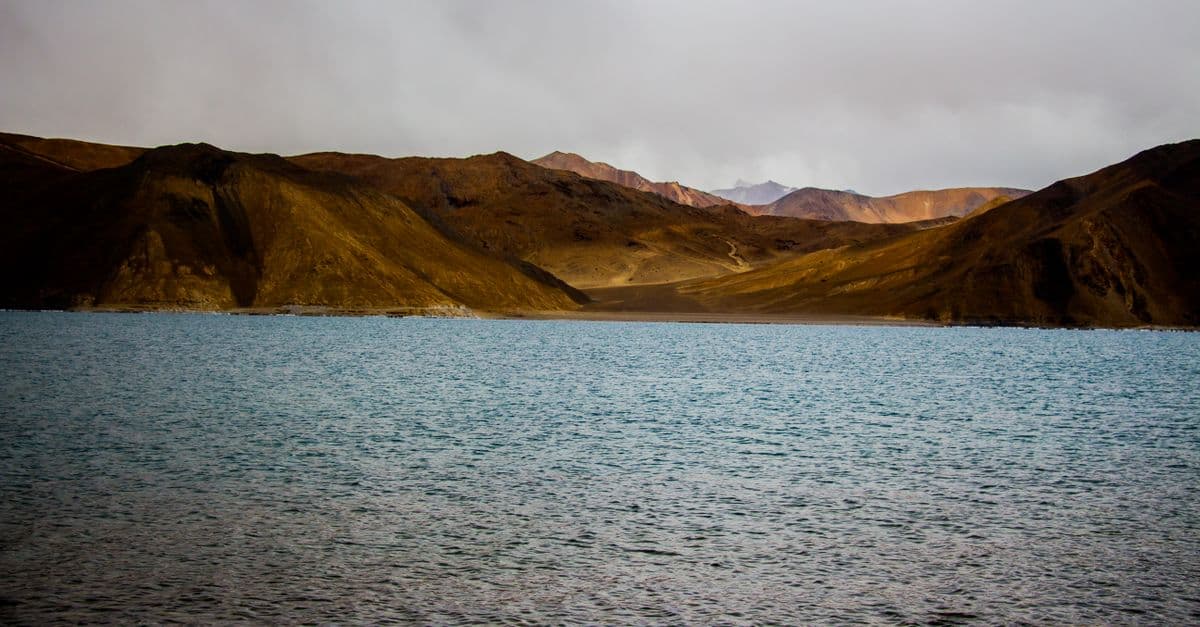
Monasteries and Leh sights
Day 2Ease in with Thiksey, Hemis and Shey monasteries, plus the surreal Magnetic Hill and the Indus-Zanskar confluence at Sangam. A gentle second day that keeps acclimatising while showing Ladakh's Buddhist heart.
Photo: Vivek Kumar / Pexels
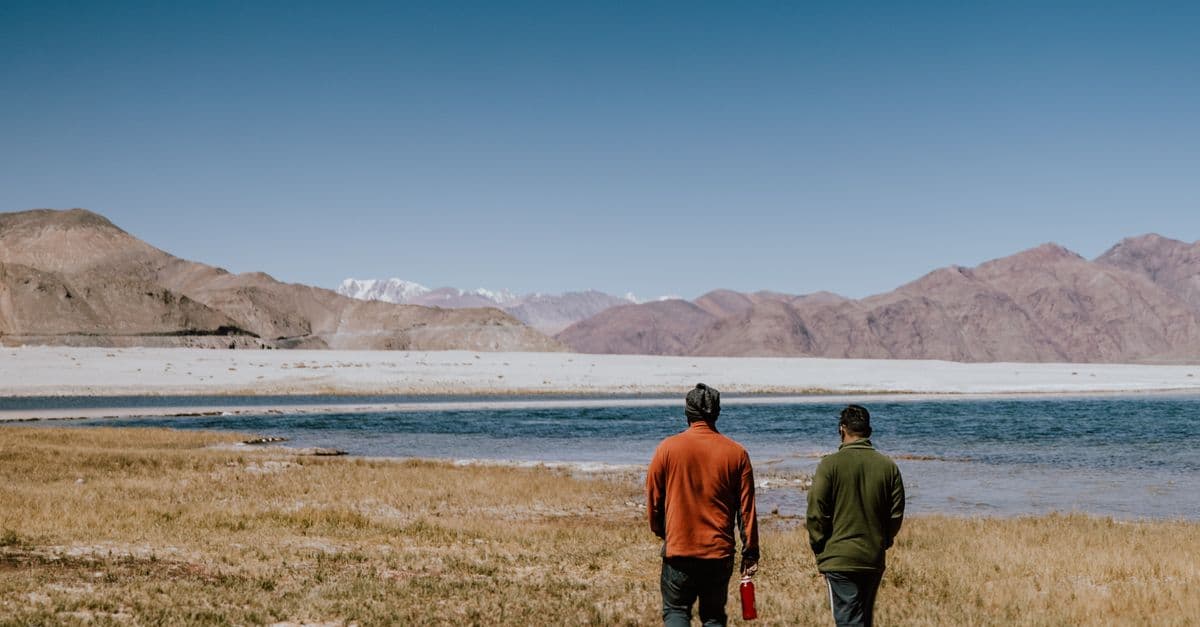
Nubra Valley via Khardung La
Days 3-4Cross Khardung La, one of the world's highest motorable passes, into Nubra. Ride a double-humped Bactrian camel on the Hunder sand dunes and visit Diskit Monastery's giant Buddha. Overnight in Nubra.
Photo: Rubaitul Azad / Pexels
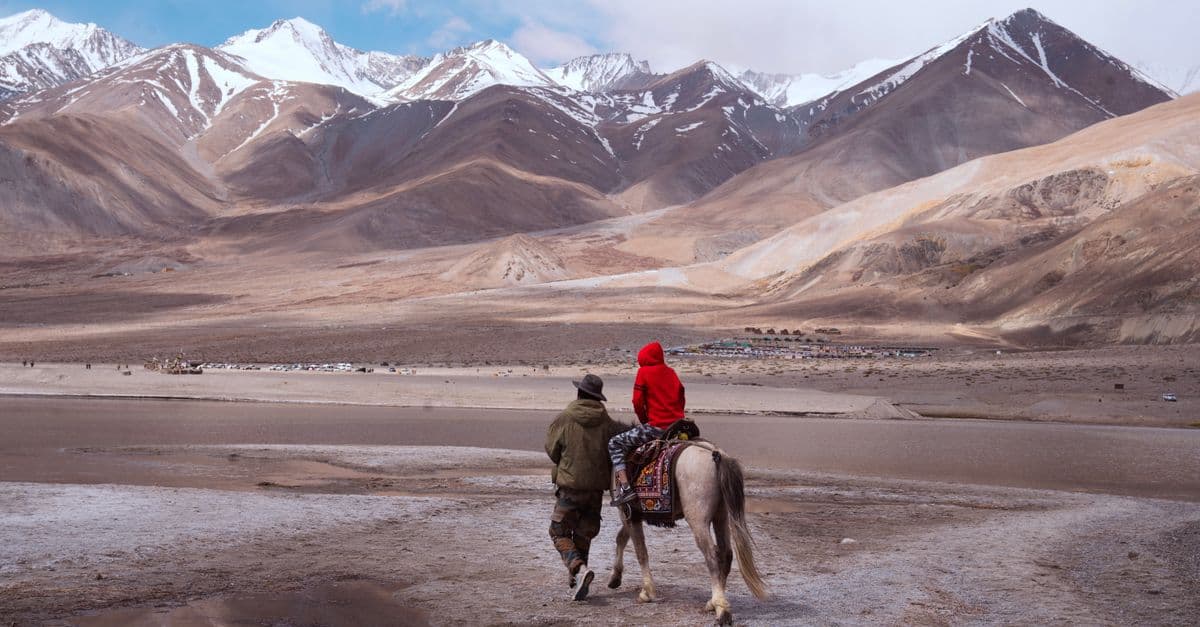
Pangong Lake
Days 5-6Drive to the legendary Pangong Tso, a shifting blue-green lake at 4,350 metres straddling the India-China border. Stay overnight at a lakeside camp for the colours at dawn and dusk — the trip's defining sight.
Return to Leh and depart
Day 7Drive back to Leh via the Chang La pass, with time for last-minute shopping for pashmina and apricot jam. Keep your departure flight for the morning, as Leh's weather can ground afternoon flights.
What to budget for
- ✓Altitude sickness is real — almost everyone feels it; rest day one, no exceptions.
- ✓Roads close May-Sep only; outside that, Leh is reachable only by air.
- ✓Mobile network is patchy — only postpaid SIMs work, and data is unreliable in valleys.
- ✓Pangong and Nubra mean very long, bumpy drive days at extreme altitude.
Figures are realistic ballparks and vary with season, dates and how early you book. Use the planner for live prices.
Best time to visit
Ladakh is strictly a summer destination. The season runs roughly May to September, when the high passes are clear of snow and lakes are accessible. June to early September is the most reliable window, with warm days and cold nights. The Srinagar-Leh and Manali-Leh highways usually open by late May and close from October as snow returns. July and August see the heaviest tourist footfall and occasional landslides on the approach roads. Outside summer, Leh is reachable only by air, and most of the valleys and passes are snowbound and shut. Always keep a buffer day for weather delays.
Ready to make it real?
Skip the spreadsheets. Tell us your dates and the Budget Planner builds a full trip that fits your budget — flights, hotels and experiences.
🎯 Build My Ladakh TripGood to know before you go
- ›Getting there: fly into Leh (IXL) for the easiest access, or drive the scenic Srinagar-Leh or Manali-Leh highways, both open only roughly May to October.
- ›Permits: Inner Line Permits are required for Nubra, Pangong, Tso Moriri and other border areas — arrange them in Leh or online, and carry several photocopies plus a photo ID.
- ›Altitude (AMS): acclimatise with a full rest day in Leh before higher drives; watch for headaches, nausea and breathlessness, stay hydrated, avoid alcohol, and descend if symptoms worsen.
- ›Practical tip: only postpaid SIMs work in Ladakh and signal is patchy — download offline maps, carry cash, and keep a Diamox conversation with your doctor before the trip.
Frequently asked questions
How many days do you need for Leh-Ladakh?
Seven days is the comfortable minimum to acclimatise properly and cover Leh, Nubra Valley and Pangong Lake. Add two or three more for Tso Moriri or the Hanle dark-sky region without rushing the high-altitude drives.
What is the best time to visit Ladakh?
May to September, when the passes are open and lakes are accessible. June to early September is most reliable. Outside summer the highways close and Leh is reachable only by air, with valleys snowbound.
Do you need permits for Ladakh?
Yes — Inner Line Permits are required for Nubra, Pangong, Tso Moriri and other border areas. Arrange them in Leh or online, carry several photocopies and a photo ID, as they are checked at multiple points.
How do you avoid altitude sickness in Ladakh?
Take a full rest day in Leh before going higher, stay well hydrated, avoid alcohol and heavy exertion early, and ascend gradually. Watch for headaches and nausea, and descend if symptoms worsen. Many travellers take Diamox after consulting a doctor.