Bhutan in 6 Days: Paro, Thimphu & the Tiger's Nest
Bhutan — the last Himalayan kingdom — is one of the most rewarding and unspoilt trips you can do from India: dramatic monasteries clinging to cliffs, prayer-flag passes, and a culture that measures success in happiness. Six days is ideal to take in Paro, the capital Thimphu, and the lush Punakha valley without rushing the famous Tiger's Nest hike, which is the trip's centrepiece.
Bhutan is close — you can fly in from several Indian cities or drive in via the border — but it runs a 'high-value, low-impact' tourism model with a daily Sustainable Development Fee, so it pays to plan well. Below is the day-by-day route, plus when to go and exactly what to budget and arrange.
Opens the free Budget Planner — tell us your budget and dates and we'll build the whole trip.
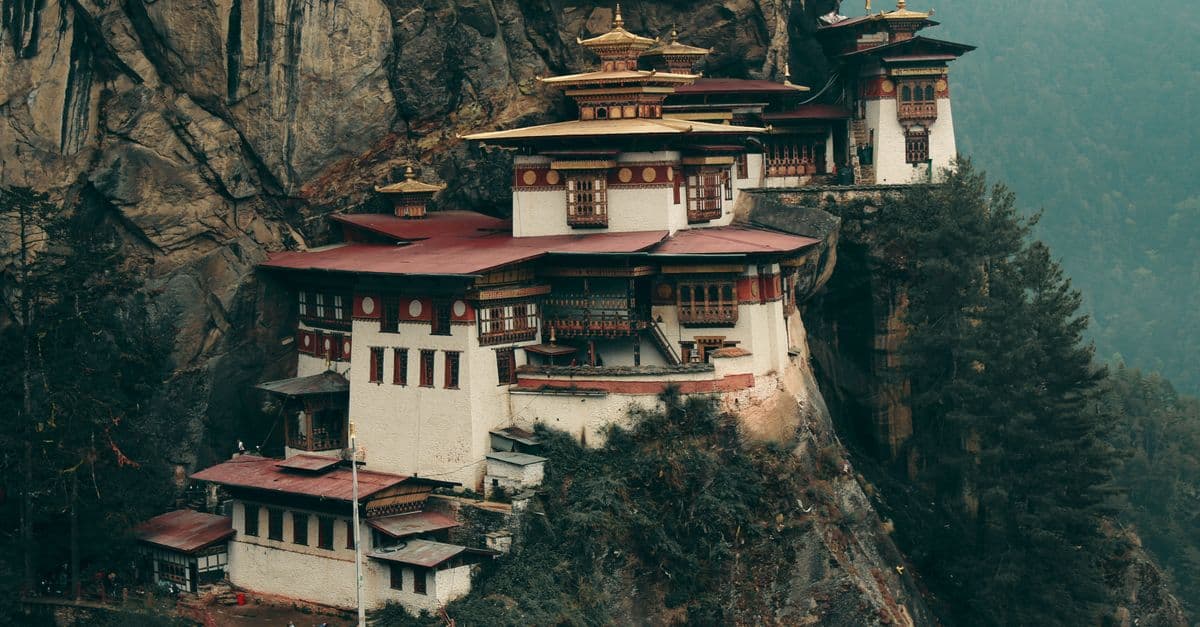
Your day-by-day Bhutan plan
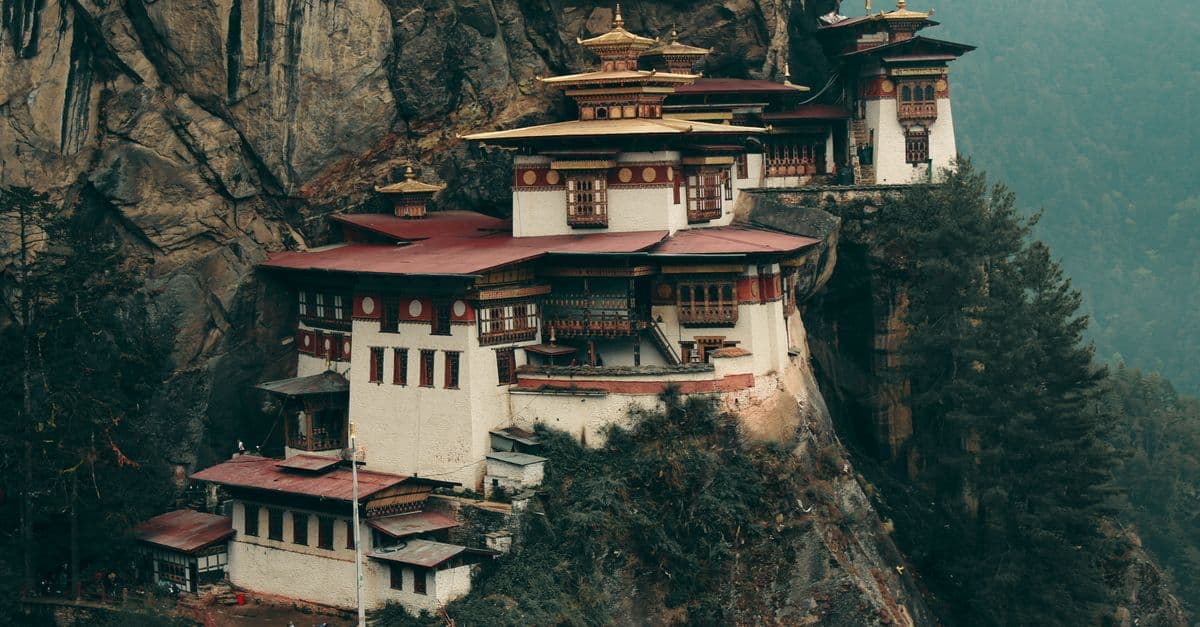
Days 1–2 — Paro
arrive & acclimatiseFly into Paro's spectacular mountain-ringed airport. Ease in with Rinpung Dzong, the National Museum and a riverside walk. The valley sits at altitude, so a slow first day or two helps you acclimatise before the big hike.
Photo: Tenzing T / Pexels
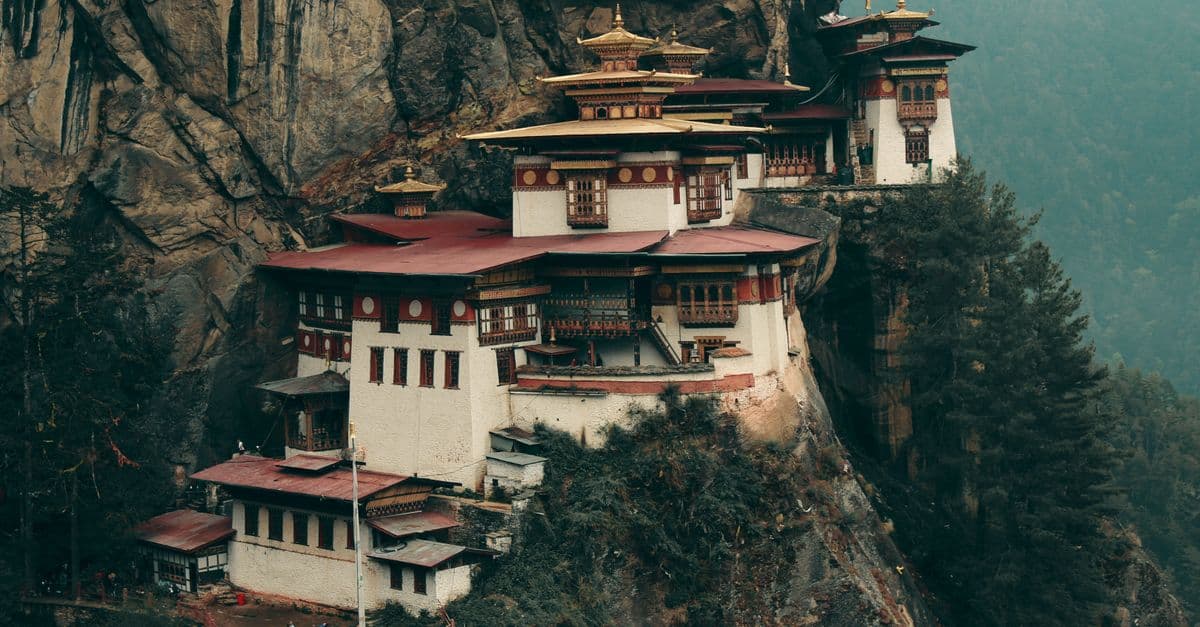
Day 3 — Tiger's Nest (Taktsang)
the highlightThe trip's centrepiece: a half-day hike up to the monastery that clings impossibly to a sheer cliff 900m above the valley. It's a steady 2-3 hour climb each way (ponies available partway). Go early; the views and the sense of arrival are unforgettable.
Photo: Tenzing T / Pexels
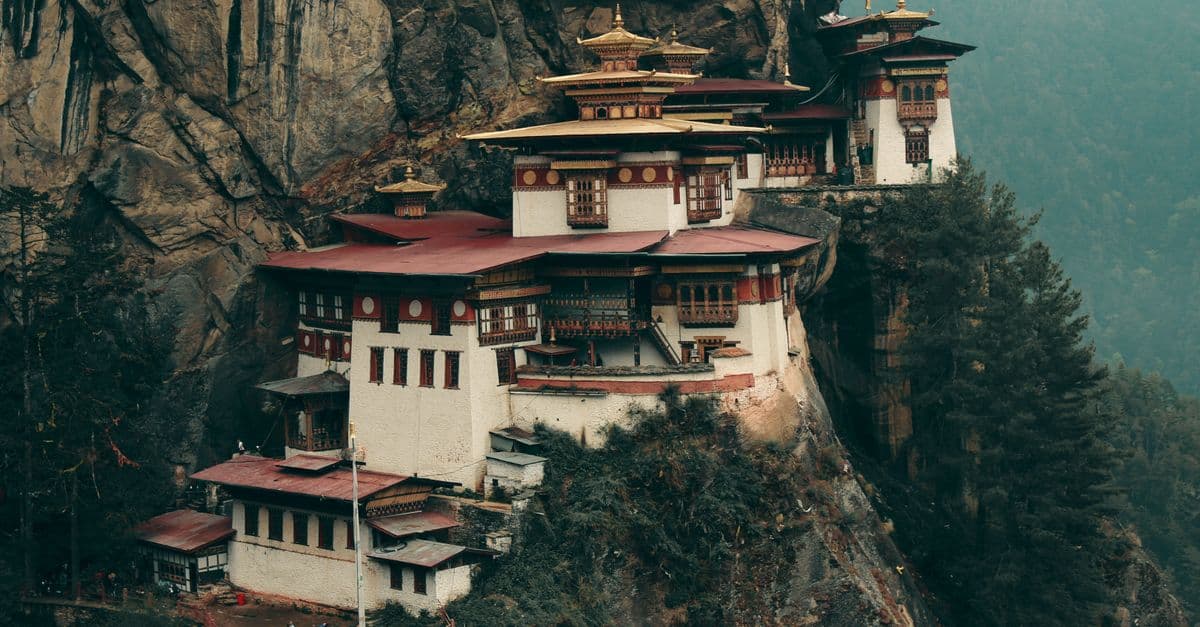
Day 4 — Thimphu
Drive to the laid-back capital — the giant Buddha Dordenma statue overlooking the city, the weekend market, the memorial chorten and a takin (Bhutan's odd national animal) sanctuary. The only capital with no traffic lights.
Photo: Tenzing T / Pexels
Day 5 — Dochula pass & Punakha
Cross the Dochula pass (108 chortens, Himalayan views on a clear day) down into the warmer, greener Punakha valley to see Punakha Dzong — arguably Bhutan's most beautiful — at the river confluence. A scenic, varied day.
What to budget for
- ✓Days 1–2 — Paro: arrival, Rinpung Dzong, the National Museum, acclimatise.
- ✓Day 3 — the Tiger's Nest (Taktsang) hike — the iconic clifftop monastery.
- ✓Days 4–5 — Thimphu & Punakha: the capital, the Dochula pass, Punakha Dzong.
- ✓Indians need a permit (not a visa) plus the daily Sustainable Development Fee.
Figures are realistic ballparks and vary with season, dates and how early you book. Use the planner for live prices.
Best time to visit
Bhutan is best in spring (March–May) and autumn (September–November), when skies are clear, the weather is mild and the valleys are at their most beautiful — autumn brings festivals and the sharpest Himalayan views, spring brings rhododendron blooms. These are also the busiest, priciest months. Winter (December–February) is cold but clear and quieter; summer (June–August) is the monsoon, lush but with cloud and rain that can hide the mountains and make the Tiger's Nest trail slippery. Book around festival dates early.
Ready to make it real?
Skip the spreadsheets. Tell us your dates and the Budget Planner builds a full trip that fits your budget — flights, hotels and experiences.
🎯 Build My Bhutan TripGood to know before you go
- ›Indian passport holders don't need a visa for Bhutan but DO need an entry permit and must pay the daily Sustainable Development Fee — arrange these in advance (online or via a tour operator); carry a passport or voter ID.
- ›The valleys are at altitude (Paro ~2,200m, passes higher) — take the first day or two slowly and stay hydrated before the Tiger's Nest hike.
- ›You can fly into Paro from several Indian cities, or enter overland via Phuentsholing on the West Bengal border; internal roads are winding, so distances take longer than they look.
- ›The currency is the ngultrum, pegged 1:1 to the Indian rupee, and INR is widely accepted — carry cash for smaller towns. Dress modestly to enter dzongs and temples.
Frequently asked questions
How many days do you need for Bhutan?
Six days is ideal for a first trip — it covers Paro, the Tiger's Nest hike, Thimphu and the Punakha valley over the Dochula pass at a comfortable pace, with time to acclimatise to the altitude before the big climb.
Do Indians need a visa for Bhutan?
No visa, but Indian passport holders need an entry permit and must pay the daily Sustainable Development Fee. Arrange the permit in advance online or through a tour operator, and carry a passport or voter ID for entry.
Is the Tiger's Nest hike difficult?
It's a moderate but rewarding climb — a steady 2-3 hour uphill hike each way to about 3,100m. Reasonable fitness helps, ponies are available for part of the way up, and going early avoids both crowds and afternoon heat.
How much does a Bhutan trip cost from India?
Budget roughly ₹60,000–1,00,000 per person for six days including travel, stays, a guide/transport and the daily Sustainable Development Fee. The fee is the distinctive extra cost, but it keeps Bhutan uncrowded and pristine.